An independent cultural archive since 2008
Afghanistan,
beyond the headlines.
Discover a country through its recipes, landscapes, history and everyday traditions—shared with curiosity, context and care.
Begin exploring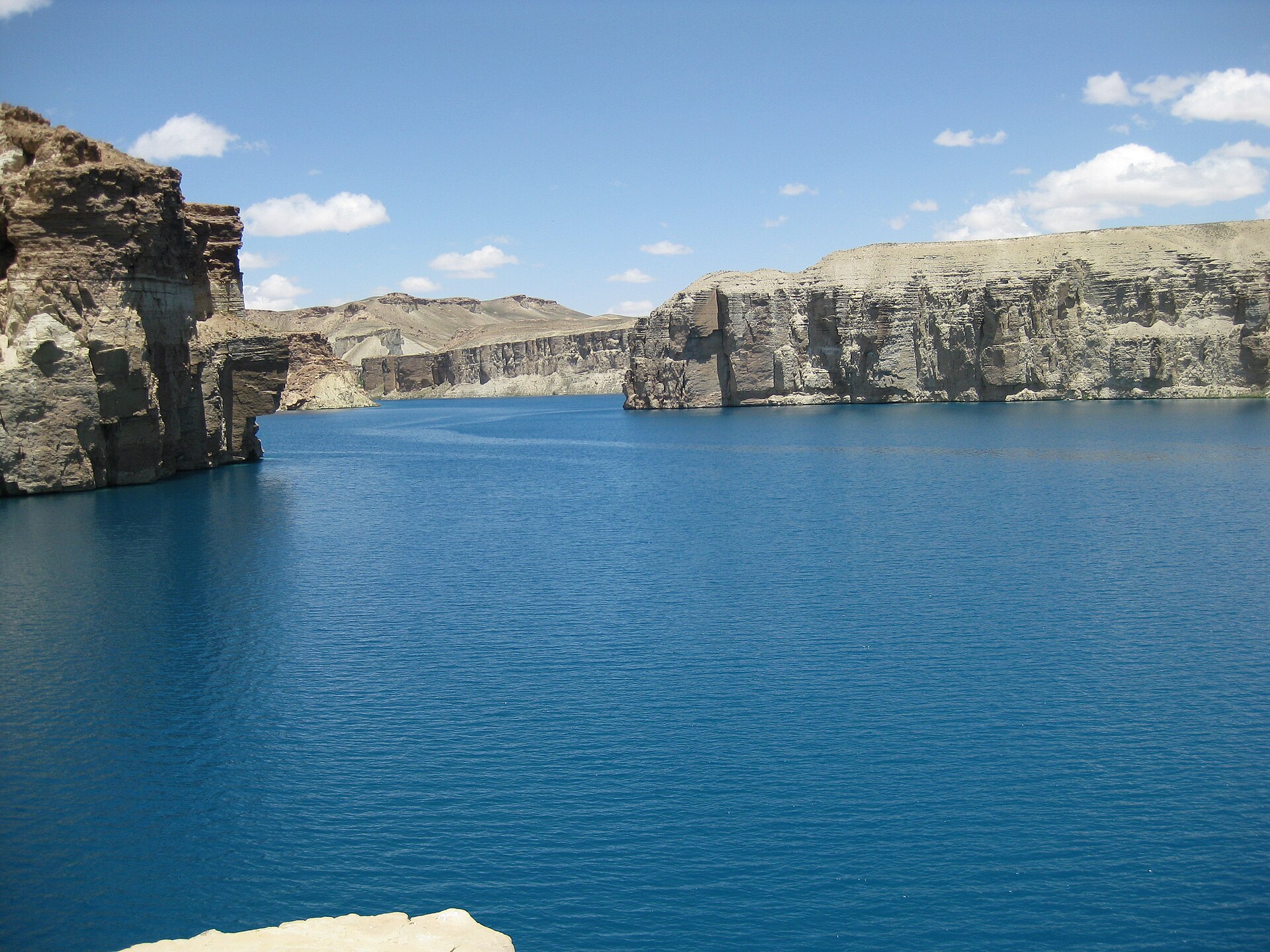 Band-e Amir · Bamyan Province
Explore Afghan Desk
Three ways into the story
Begin at the table, travel through remarkable landscapes, or learn about traditions woven into daily life.
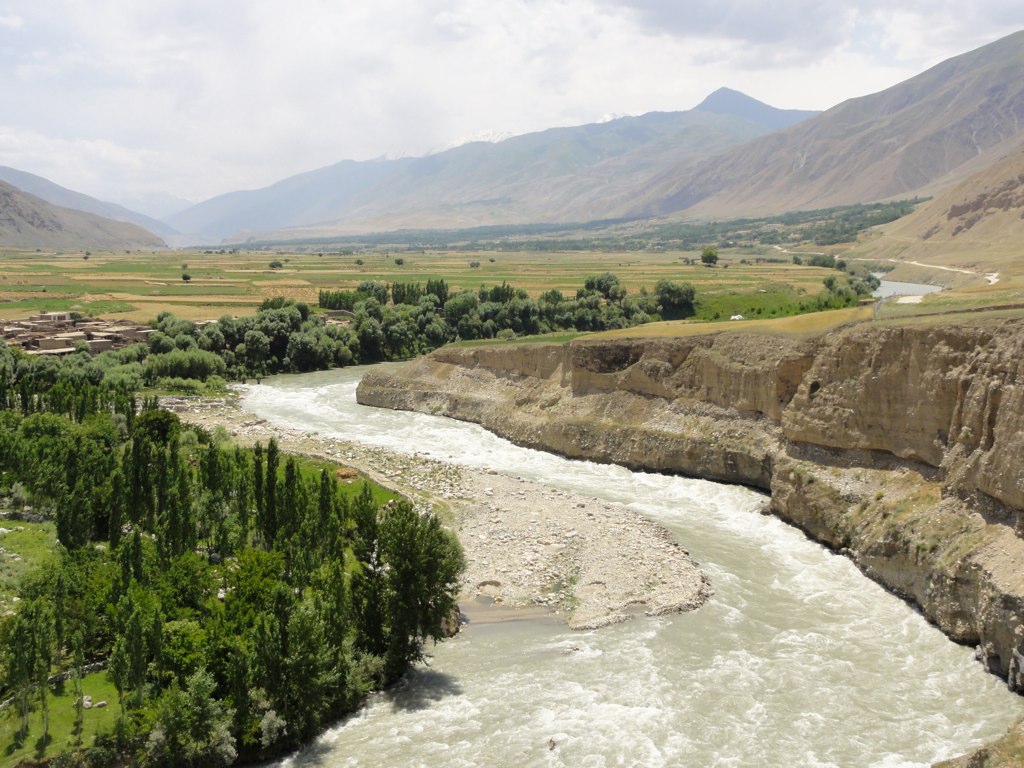
Featured place · Badakhshan
Along the Kokcha River
A mountain river carries snowmelt through northeastern Afghanistan, connecting high valleys, settlements and centuries of regional history.
Read the storyFrom the archive
A place to start
About the archive
A careful introduction to Afghanistan
Afghan Desk began in 2008 as a teenager’s personal website. This new edition keeps the useful heart of that archive while revising its language, checking facts and giving each subject room to breathe. It is not a complete guide to a country of extraordinary regional, linguistic and historical variety. It is a starting point: a collection of recipes, landscapes and traditions presented in plain English for readers who want more than a headline.
Afghanistan sits at the meeting point of Central and South Asia, with deep connections to the Iranian plateau. Mountain ranges, river valleys and long-distance routes have shaped movement and exchange, but geography is only part of the story. Dari, Pashto, Uzbeki, Turkmeni, Balochi, Nuristani languages and others are spoken across the country. Communities differ in custom and experience, and no single page can stand for every Afghan. Poetry, music, craft and oral storytelling also connect people across regional and linguistic boundaries while retaining distinctive local forms.
How to use this website
The Food section preserves approachable household recipes while explaining technique, variation and safe preparation. Places introduces important landscapes and monuments with attention to both heritage and living communities. Culture looks at specific practices without turning them into stereotypes. Faith & tradition offers respectful introductory material about Islam and points readers toward further study rather than pretending to issue religious rulings.
Dates, spellings and interpretations can differ between reliable sources. Where a subject is disputed, the text says so. External references are included for readers who want to verify or continue learning. Archive pages with obsolete technical information have been retired, while old web addresses redirect to their clearest current equivalent so earlier bookmarks remain useful.
What this archive values
Afghan culture is neither frozen in the past nor defined only by conflict. It lives in meals prepared for guests, knowledge passed between craftspeople, worship, jokes, poetry, migration, work and ordinary family decisions. Afghan Desk aims to describe that life with warmth without romanticising it, and to discuss damage or loss without reducing people to tragedy. The archive will remain modest, but every page should be clear about what it knows and respectful about what it cannot represent.